
Fire is the second leading cause of damage for homeowners' associations
After water damage (approximately 60% of damage claims), fire is the main cause of damage to buildings and homes. Figures from the Dutch Association of Insurers show that residential fires in the Netherlands result in tens of thousands of claims every year, often with significant financial and emotional consequences. For homeowners' associations, this means not only repair costs, but also unsafe conditions for residents, legal liability, and sometimes prolonged vacancy.
Most common causes of fire in homeowners' associations
Fire can start in or around a condominium building in many ways:
- Electrical installations: overloading of sockets, outdated wiring, or short circuits
- Kitchen fires: mainly due to unattended cooking, flames in pans, or faulty appliances
- Smoking: discarded cigarettes on balconies or in common areas
- Storage spaces and storage rooms: storage of flammable materials such as paint, gas cylinders, or paper
- Technical installations: such as poorly maintained central heating or ventilation systems
- External causes: fire in adjacent buildings, lightning strike, or arson in the vicinity

Risks for a homeowners' association
A fire often has greater consequences for a homeowners' association than for an individual home, because multiple parties and spaces are involved:
- Damage to the building: including common areas, facades, roofs, and installations
- Danger to residents: direct (smoke and heat) or indirect (harmful substances, danger of collapse)
- Restrictions on use: parts of the building are temporarily or permanently unusable
- Financial impact: own risks, uncovered costs, higher insurance premiums
- Administrative liability: if it appears that insufficient preventive measures were taken
Potential impact if prevention measures are insufficient
A fire can lead to:
- Evacuation and temporary housing for residents
- Structural damage that requires months of repair time
- Legal proceedings between the homeowners' association, residents, and insurer
- Loss of value of the building due to damage to its image
Solutions and preventive measures
- Regular inspection and maintenance
-
- Have electrical and technical installations inspected periodically.
-
- Perform maintenance work in a timely manner and record this in the MJOP.
- Fire detection and alarm systems
-
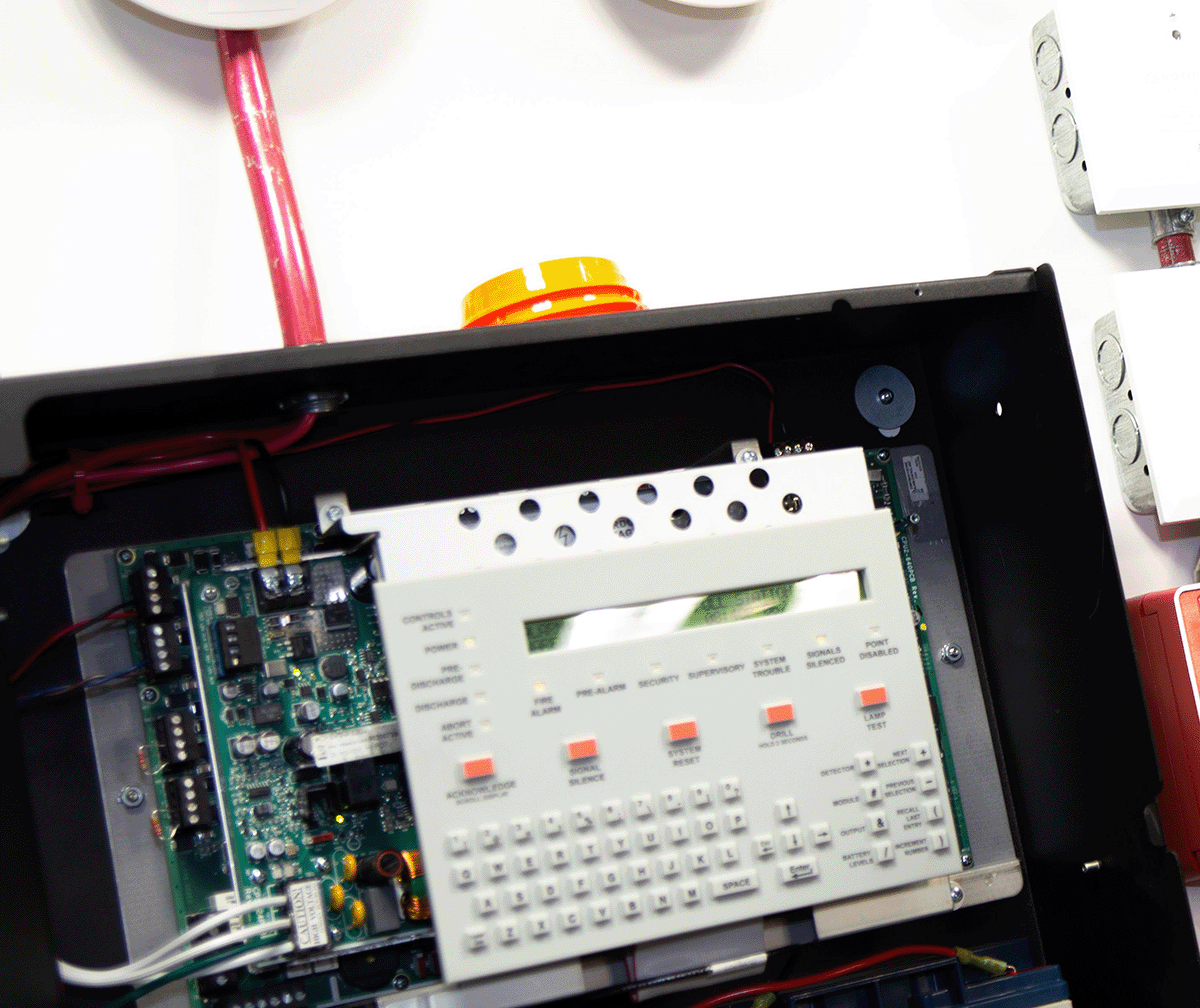
- Ensure that smoke detectors and fire alarm systems are working in all common areas.
-
- Consider linked detectors so that everyone is alerted at the same time.
- Accessible fire extinguishers
-
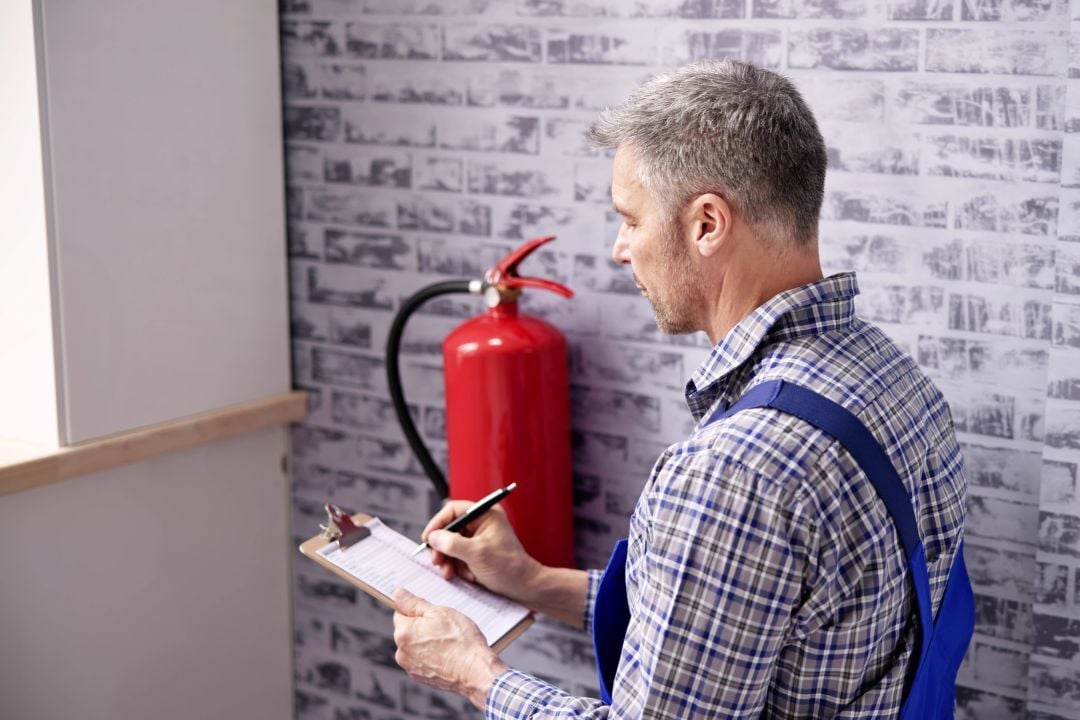
- Place fire extinguishers and/or fire hoses in strategic locations.
-
- Ensure that residents and managers know how they work
- Free and clear escape routes
-
- Keep corridors, stairwells, and emergency exits free of obstacles.
-
- Install emergency lighting and clear signage.
- Awareness and instruction
-
- Provide residents with information about the safe use of equipment and storage in relation to fire safety.
-
- Organize at least one exercise or information evening per year.
- Insurance check
-
- Check whether your home insurance fully covers fire damage (including consequential damage).
-
- Discuss prevention requirements with the insurer to avoid disputes in the event of damage.
Our vision as Zeker voor VvE
Fire safety is not a side issue, but a core task of every homeowners' association. By understanding the causes, reducing risks, and involving residents in prevention, you limit the risk of damage and protect everyone's safety.
Need help with fire prevention, evacuation plans, or insurance checks?
Bel onze VvE-experts op 010 – 288 49 73 of mail naar vve@schoutenzekerheid.nl.