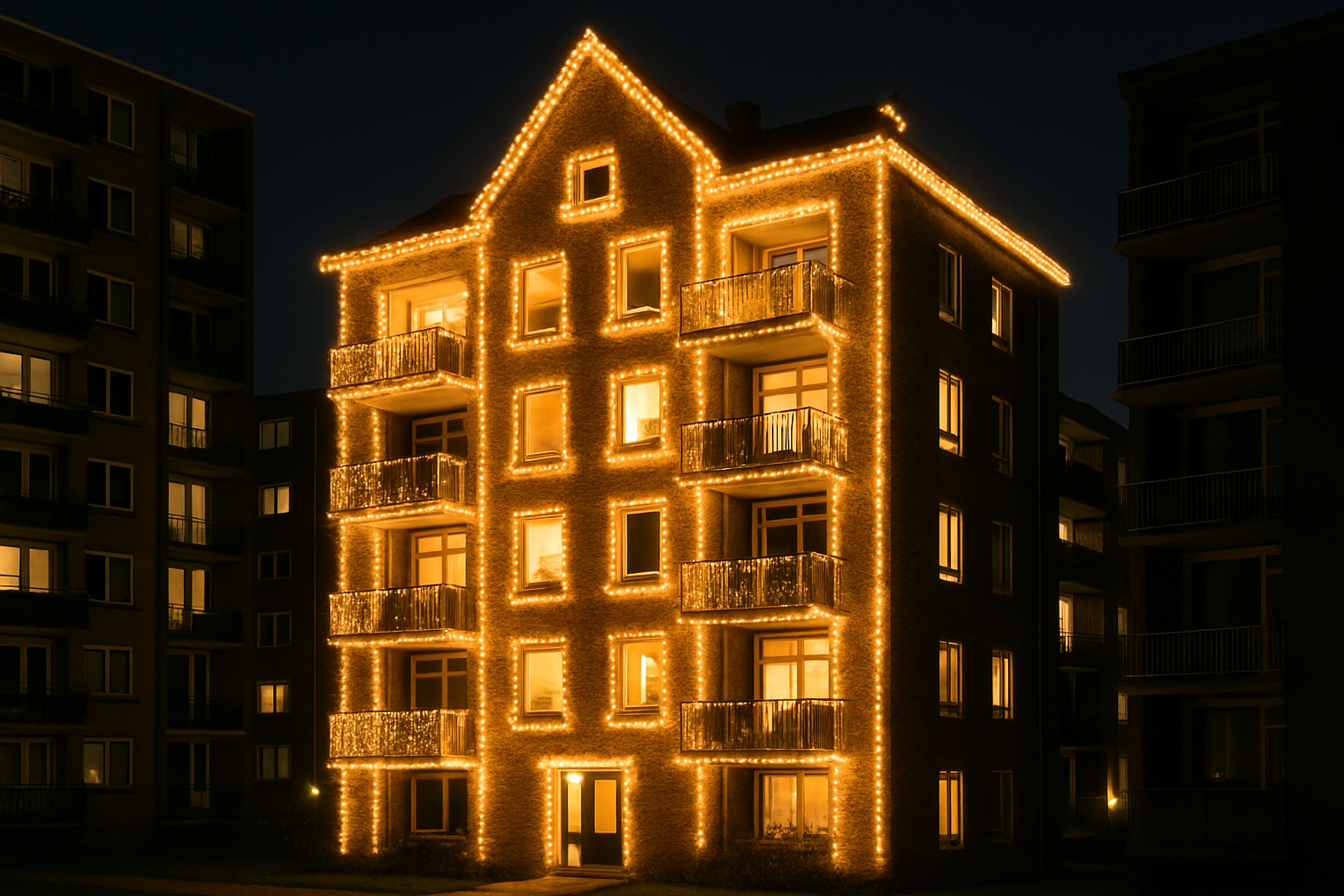

Fire safety may sometimes seem like a technical issue, but for homeowners’ associations, it is primarily a matter of responsibility. A properly functioning fire alarm system can mean the difference between a quickly contained emergency and serious damage to the building and its residents. Yet in practice, inspections, maintenance, and certification are not always up to standard—often due to a lack of knowledge, not a lack of willingness.
This article will help you understand what the law requires, what steps your homeowners’ association needs to take, and what risks arise if no action is taken. No scare tactics—just clear facts and practical guidance.
1. What is a fire alarm system, and when is it required?
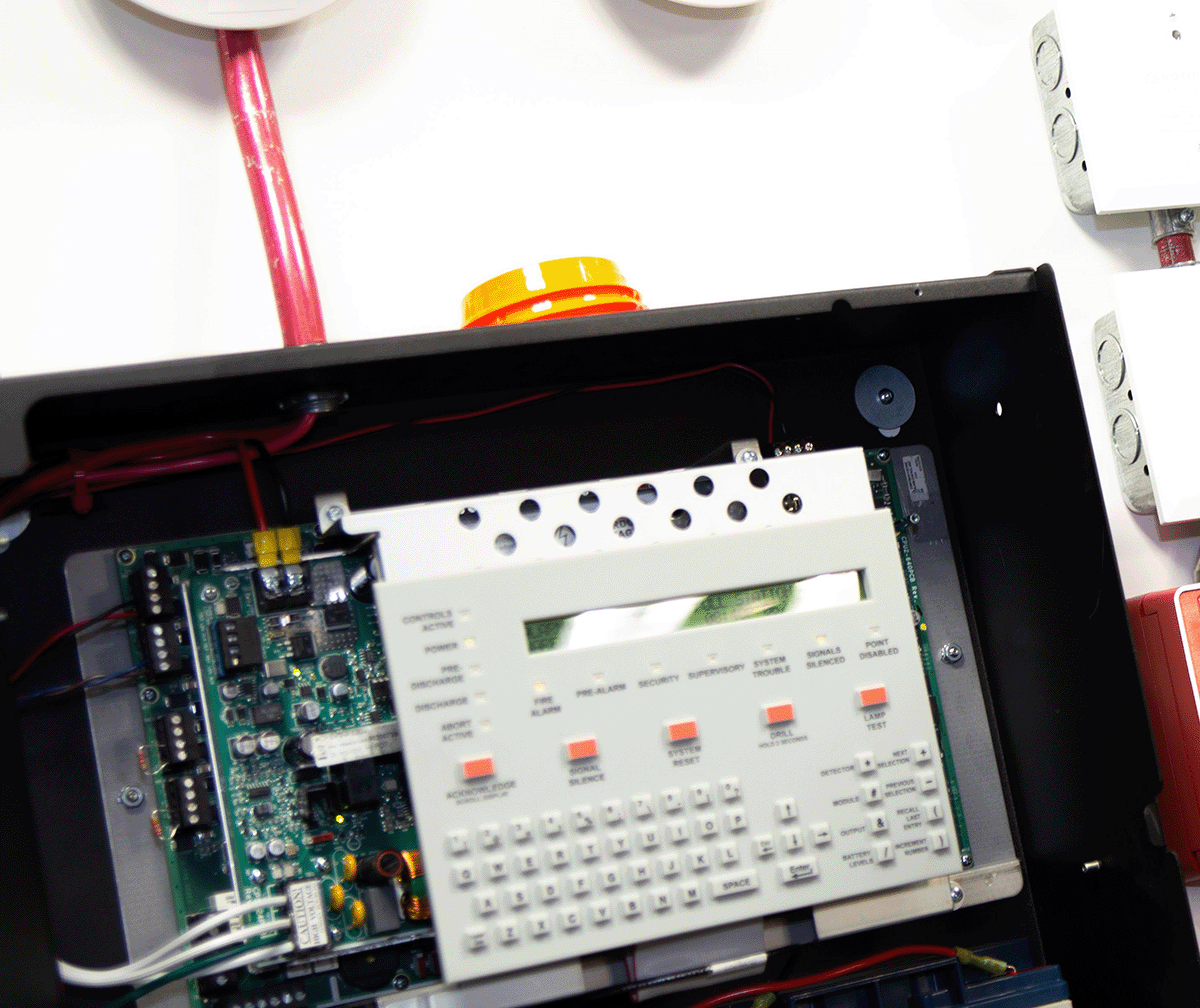
A fire detection system detects fires at an early stage and ensures that residents can evacuate in time. In the Netherlands, the system is regulated by law under the Building and Environment Decree (Bbl).
Depending on the building’s intended use and size, a fire alarm system may be required, sometimes with full monitoring and sometimes with partial monitoring. In addition, the technical standards NEN 2535 (design and installation) and NEN 2654 (management, inspection, and maintenance) apply.
For many residential complexes, a fire alarm system is a key component of basic fire safety, especially in cases where:
-
-
high-rise residential buildings
-
shared traffic areas
-
senior housing within the homeowners' association
-
parking garages with a higher risk profile (e.g., due to charging stations)
-
2. Inspection, certification, and maintenance: What is required, and what is advisable?
According to the Bbl‑regulations, a mandatory fire alarm system must:
-
-
have a valid CCV inspection certificate (usually valid for 3 years; 1 year if mandatory reporting to the fire department is required)
-
be properly managed, inspected, and maintained in accordance with NEN 2654
-
A BMI is therefore not a “one-time installation,” but a system that requires ongoing attention—similar to an elevator system or roof maintenance.
What does this mean in practical terms for the homeowners' association?
-
-
Keep an up-to-date BMI logbook with maintenance reports and certificates.
-
Schedule regular maintenance (at least once a year).
-
Be sure to schedule the certification inspection in a timely manner.
-
Check whether the installation still corresponds to the building’s actual use (in the event of renovations or changes in use, a new inspection may be required).
-
3. Duties and Responsibilities Within the Homeowners' Association
The law requires homeowners' associations to take all reasonable measures to prevent fires (duty of care).
Yet things often go wrong because it’s not clear who is responsible for what.
A clear division of responsibilities helps prevent risks and disputes. For example:
-
-
Who maintains the BMI log?
-
Who hires the maintenance contractor?
-
Who monitors the certification date?
-
Who keeps residents informed, for example, about testing or service disruptions?
-
A structured approach can help with this, for example by appointing a fire safety officer within the board or management team.
4. What if the homeowners’ association does nothing? The real risks (without scaremongering)
An uninspected or poorly maintained BMI has three major consequences:
1. Safety risks for residents
In the event of a fire, smoke can spread through common areas within minutes. If the fire alarm system does not function properly, the alarm will sound too late or not at all.
2. Liability and insurance implications
If it turns out that the board has been negligent—for example, due to missing certificates or overdue maintenance—this could result in limitations on coverage or personal liability for the board members.
3. Enforcement by the municipality
During inspections, municipalities may request up-to-date documentation (floor plans, certificates, logbooks). If these are missing, a penalty notice may be issued.
These are not theoretical risks; these are current regulations that municipalities actively enforce.
5. What can your homeowners’ association do as early as tomorrow? (Practical checklist)
-
-
Make fire safety a topic of discussion at the general meeting
-
If this has not yet been done, making a reservation through MJOP may be an option.
-
Check whether your building is subject to a fire safety inspection requirement (depending on the year of construction, height, and intended use).
-
Check the installation certificate: is it still valid?
-
Check the maintenance schedule: Is it carried out annually?
-
Ask your administrator for the complete BMI log and check that it is complete.
-
Schedule a quick scan if you have any doubts about the condition of the system.
-
Add this topic to the agenda of the General Meeting: discuss the risks and required budgets.
-
6. Conclusion: Fire safety is a management responsibility that can be organized
A building management system (BMS) is not a burden, but an essential service that protects residents and minimizes risks for the homeowners’ association. By properly organizing inspections and maintenance, the homeowners’ association not only complies with laws and regulations, but more importantly, ensures a safe living environment where residents can trust their board.
Help from our HOA experts
Our specialists are happy to assist you with information and advice on fire safety and suitable insurance solutions.
Bel onze VvE-experts via 010 288 44 73 of stuur een e-mail naar vve@schoutenzekerheid.nl